I design the systems behind the experience.
I’m a design leader specializing in human–AI collaboration and agentic UX design. At the heart of my work is a commitment to designing AI that makes life easier, fosters trust, and is built on responsible, ethical design practices. My goal is to shape how humans and AI collaborate – transforming not just products, but entire industries.
How I think
Design for outcomes, not outputs.
UX should help define how AI quality is measured — not just how AI behaves on screen.
Design for systems that act.
When products act on a user's behalf, UX becomes about orchestration, oversight, and intervention.
Design the system beneath the interface.
Products change. Workflows persist. Mapping the underlying system creates reusable experiences instead of one-off features.
Make complex systems understandable.
Trust comes from transparency, appropriate uncertainty, and giving people meaningful control when things go wrong.
Talks & writing
Speaking inquiries
I speak on AI evaluation, agentic UX, and leading design in technical organizations. Get in touch →
Work
Shaping AI Agent Behavior
Enabling UX to take ownership of eval frameworks
Shifting away from manual, engineer-owned processes to an automated eval process that gave the team rich behavioral data.
The Project That “Couldn't Fail”
Finding alignment across leadership teams
How siloed practices threatened the success of the company's biggest bet — and what I did to turn it around.
Thinking in Workflows
Moving from bespoke products to a catalog of actions
In a world where the company is always pivoting, how do we create consistency and prevent teams from duplicating work?
The AI-Native Design Team
Turning AI experimentation into meaningful design leverage
AI tools give designers endless ways to automate, prototype, code, and extend their capabilities. The hard part is knowing what actually creates real leverage in a cost effective way and how to build a team that can use AI to produce better work, not just more of it.
About
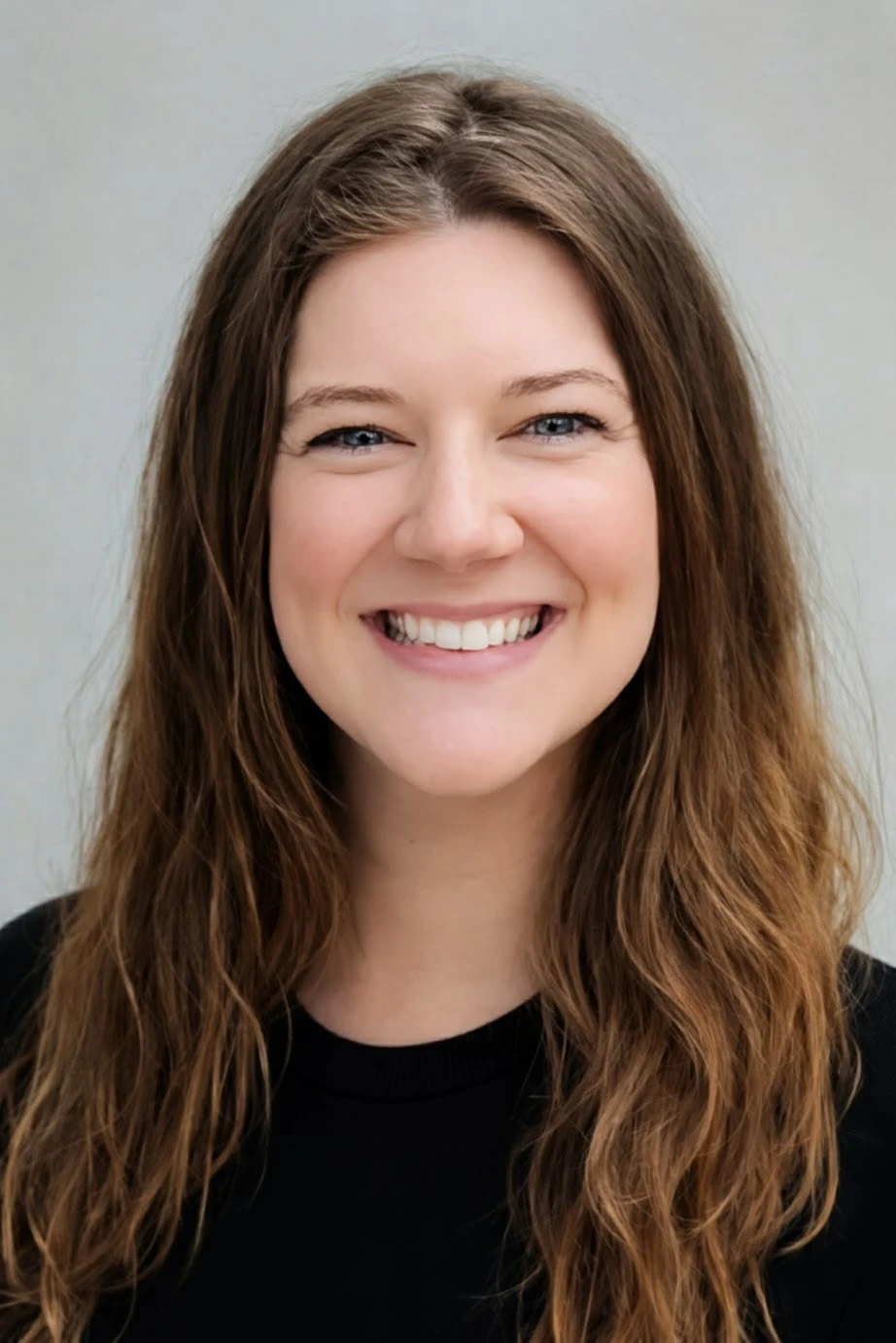
People don't fail — systems do.
My role as a leader is to create the conditions for great work: clarity around the problem, trust within the team, and enough context and autonomy for people to make good decisions. I want teams to become more capable because I was there, not more dependent on me.